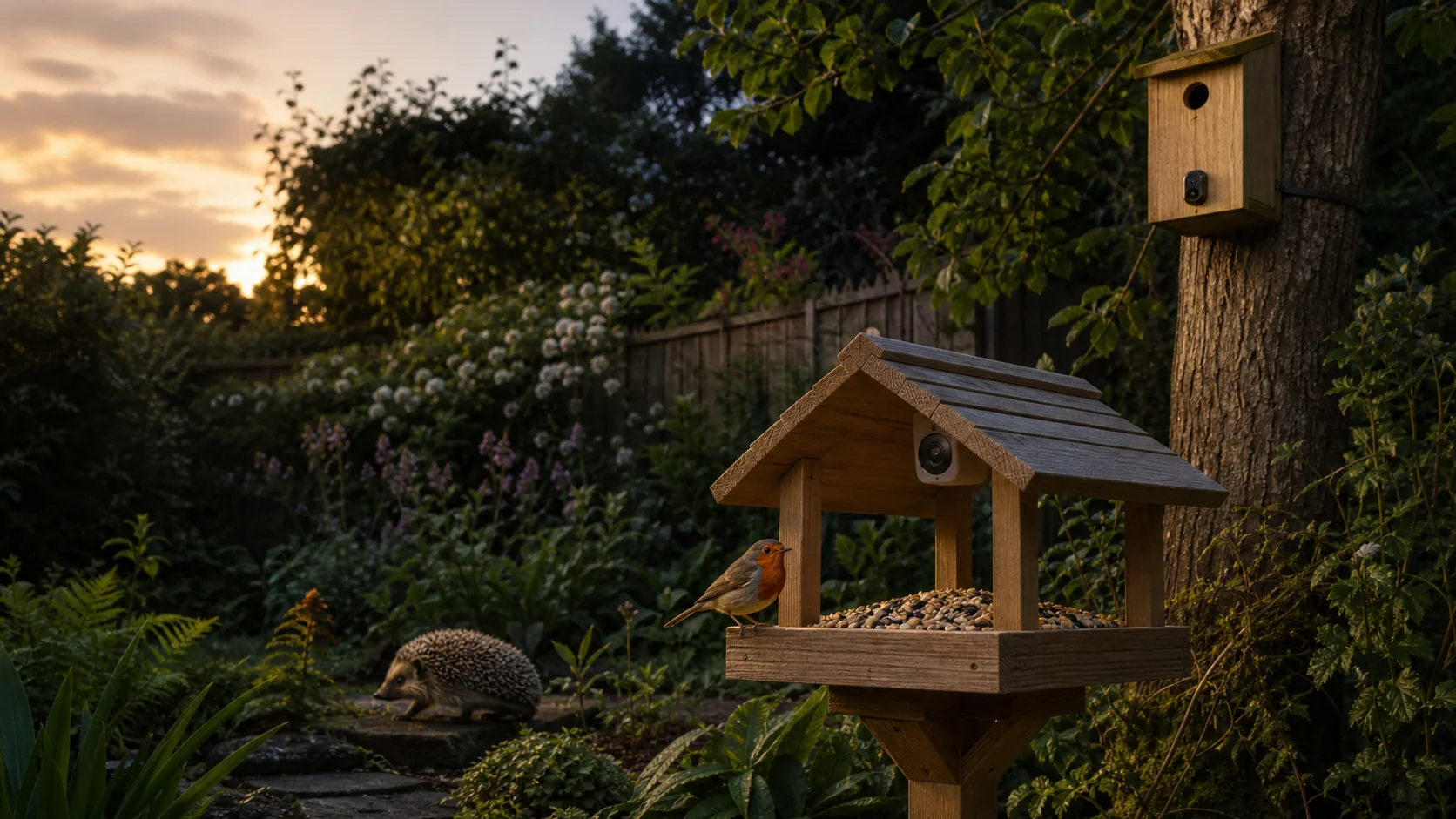
HedgeLens separates research-based recommendations from physical product testing. Both can help a buyer, but they answer different questions.
How a researched recommendation is made
Marcin starts with the reader’s job, identifies the exact model and package, and checks current manufacturer or authorised-retailer material. Product facts are compared with practical UK-garden constraints such as fit, power, connection, storage, cleaning and weather exposure. A recommendation can then be made for a defined use case without pretending the product has been handled.
What requires a physical unit
Image quality, trigger capture, connection recovery, notification reliability, battery duration, cleaning ease and long-term durability need the exact retail unit in declared conditions. When testing begins, HedgeLens will retain the model and firmware details, dates, settings, setup notes and original media behind any reported observation or measurement.
The hands-on sequence
- Record the exact unit, firmware, accessories and commercial relationship.
- Install it in a realistic UK garden position without disturbing active wildlife.
- Check setup, reconnection, notifications, storage and export.
- Review daylight and night footage, trigger capture and false events.
- Track power and weather under declared settings.
- Publish failures and limitations beside the result they affect.
Sources and corrections
Stable specifications are rechecked when a model or bundle changes; prices carry their own checked date. Conflicting sources are recorded rather than averaged. Readers can raise a factual issue through the corrections process.